Blog

Home /

Blog

Useful information on setting up devices

Software: comparison, analytics

The most detailed publications about our services
How to download your data from Google services using Google Takeout Internet

How to download your data from Google services using Google Takeout

Your Gmail inbox contains important emails, Google Photos holds your memories, and Google Drive stores your documents and work files. But what if you want to save all of this to your computer, move it to another service, or create a backup? For this purpose, Google offers a dedicated tool called Google Takeout. In this guide, we’ll explain what kind of data you can download using this tool and show you how to create your own archive in just a few simple steps.
Dynamic DNS: what is it and why do you need it? Internet

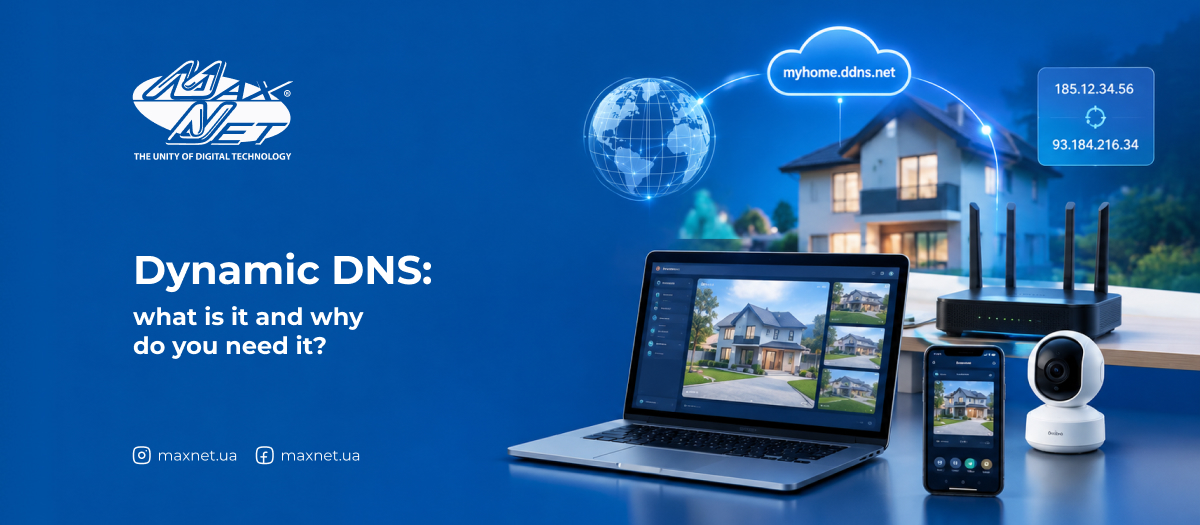
Dynamic DNS: what is it and why do you need it?

Home internet connections often use a dynamic IP address, which can change over time. This goes unnoticed during normal internet use, but can cause problems if you need to connect remotely to a home CCTV camera, computer or server. Dynamic DNS (DDNS) helps to solve this problem: it automatically links a permanent domain name to your current IP address. Let’s take a look at how this technology works, who needs it, and what its advantages and limitations are.
How to access your home network remotely Internet

How to access your home network remotely

Let’s say the file is on your home computer, but you’re at the office. Or perhaps you want to check what’s happening in your garden via a camera whilst you’re away on a business trip or on holiday. Situations like these come up all the time, and there’s a solution for all of them — remote access to your home network. The only question is which method to choose — remote access programmes, port forwarding on your router, or your own VPN — depending on exactly what you need.
From chaos to order: how to organise your bookmarks, reading lists and other content saved online Internet

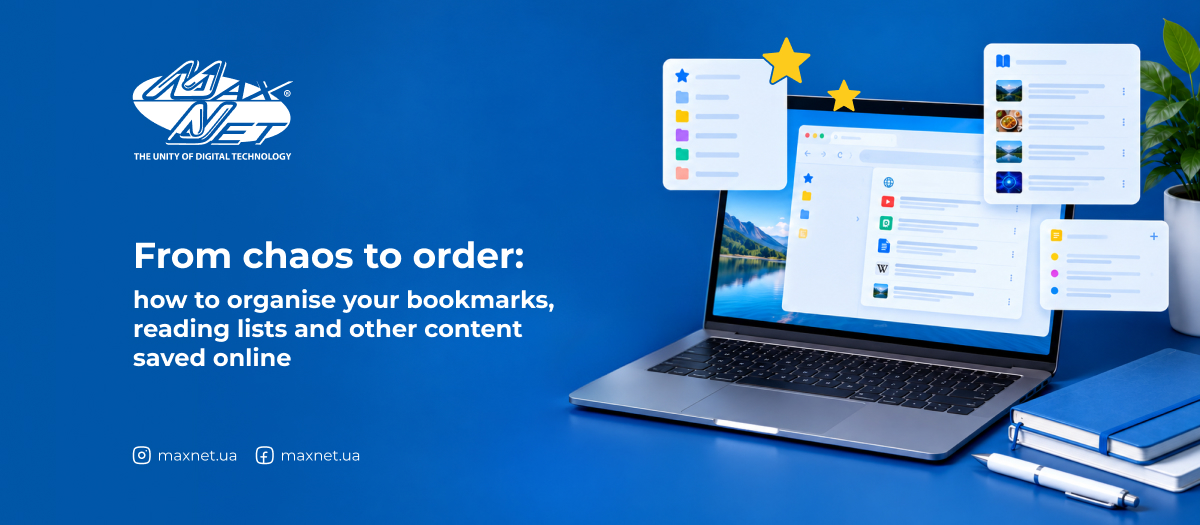
From chaos to order: how to organise your bookmarks, reading lists and other content saved online

Interesting articles, useful services, recipes, guides and other pages quickly pile up, and with them comes an increased risk of losing something you actually need. Simple browser tools — bookmarks, folders and a reading list — can help you organise things, whilst digital notes can be used for your own ideas and context-rich links. Let’s take a look at how to organise all this and build a simple system where the information you need is always at hand.
How to clear your digital footprint: what Google, Meta and other services store about you Internet

How to clear your digital footprint: what Google, Meta and other services store about you

We leave traces not only when we post photos or write comments on social media. Search queries, videos watched, preferences, purchases, location, apps used and even the websites we visit all form a kind of digital portrait of a person. It is virtually impossible to erase it completely. However, it is entirely possible to clean up your digital footprint, delete unnecessary history and limit further data collection.
Two-factor authentication for online services: how to set it up in 5 minutes Internet

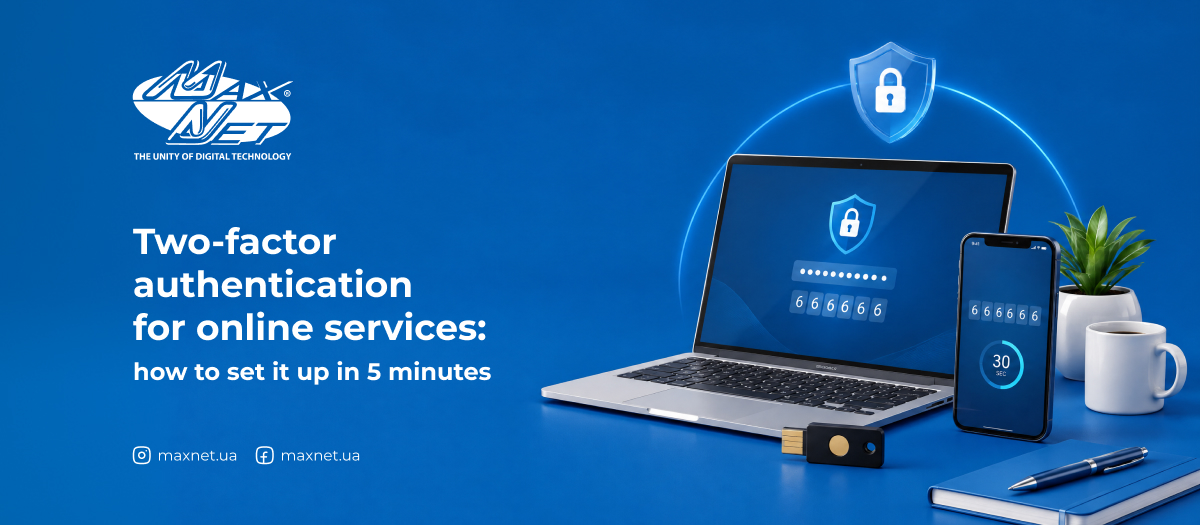
Two-factor authentication for online services: how to set it up in 5 minutes

A single password is like a single lock on your front door. No matter how complex it is, all it takes is one slip-up — and someone else finds themselves in your flat with the key in their pocket. Multi-factor authentication, specifically two-factor authentication (2FA), is a second lock that works independently of the first: even if someone has got hold of your password, without the second factor they’ll still be left standing in front of a locked door. Next, we’ll look at the different methods of identity verification available, how they differ, and where exactly you should enable 2FA as a priority.
The main types of FTTx technologies: how they differ from one another Internet

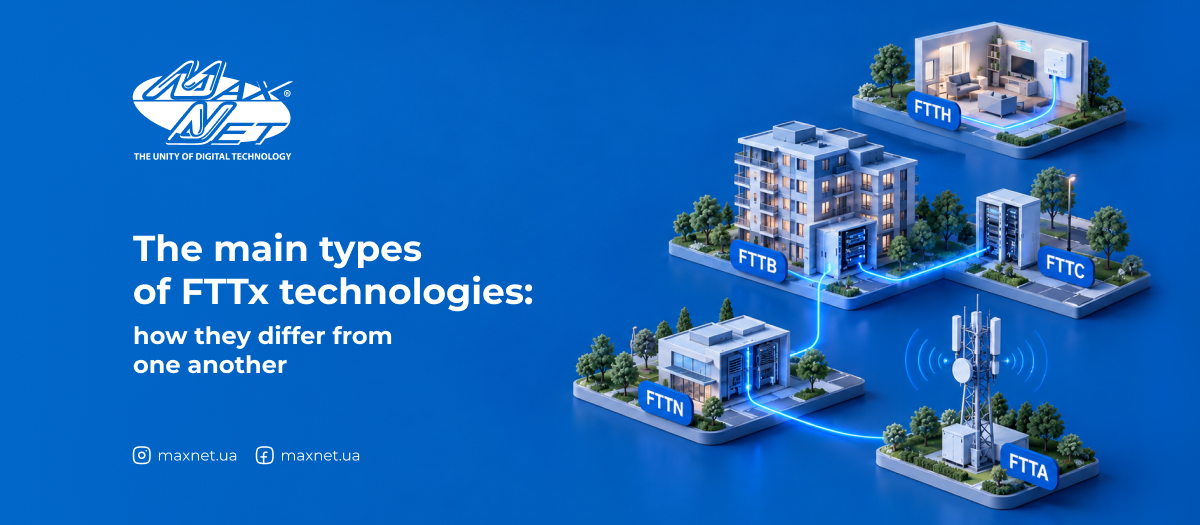
The main types of FTTx technologies: how they differ from one another

If you’ve ever come across an abbreviation such as FTTH or FTTB in a tariff description and simply skimmed past it — this article is just for you. In fact, behind these confusing letters lies a fairly simple concept that’s easy to grasp even without a technical background. Let’s take a look at what these technologies are, how they differ, and which one Maxnet uses.
How to find out who is connected to your Wi-Fi Internet

How to find out who is connected to your Wi-Fi

Your internet has started to «slow down» for no apparent reason, videos are buffering, and web pages are loading more slowly than usual — and your first thought is usually: «there must be something wrong with my internet provider». But there’s another, less pleasant reason: someone unauthorised has connected to your network and is using up your bandwidth. The good news is that you can detect unauthorised connections yourself using a few simple tools and settings.
Shadowban on social media: how to tell if you've been shadowbanned and how to get out Internet

Shadowban on social media: how to tell if you've been shadowbanned and how to get out

Social networks are known for their silent punishments. Without warnings, messages, or explanations, your account can simply lose its former activity and visibility to other users. Meanwhile, your profile continues to function, and you may not immediately notice the problem. This hidden type of restriction is called a shadowban. We explain what it is, why it occurs, and how to overcome it.
How to delete an inactive online account Internet

How to delete an inactive online account

How many online accounts have you registered in your life? Email, social media, online stores, forums, services for school or work, apps you tried once and forgot about. People have dozens of such accounts — and most of them haven't been used for a long time. We'll explain what to do with inactive accounts — and how to delete or restore them if you ever need them.